
You’ve lived your whole life believing that your world is small because it’s purpose-built to protect you.
To provide for you.
Maybe even to love you.
You eat what you’re given, work where you’re assigned, and believe what they tell you. You’ve got no reason to question the system. Until one day you notice something you were never supposed to see.
A book that’s always been on your shelf and is suddenly nowhere to be found, and no one knows what you’re talking about when you ask for it. A name you were never meant to hear. A coworker looking at you with suspicion instead of cooperation.
Now you’ve got a choice to make: stay quiet and stay safe, or ask the question that’s begging to be asked. What’s really going on here?
That’s the kind of slow, creeping dread that builds in your bones in a world like Wool. Whether you came into the silo through Hugh Howey’s trilogy or through Apple TV’s Silo series, what stays with you isn’t just the eerie below-ground setting. It’s the betrayal. The complicity. The society that values compliance over truth, and the horrific weight of being the one person who’s stumbled on the truth.
If you’re here, chances are you’ve already made it out of the silo and you’re looking for more books like Wool that deliver that delicious, awful dread of a world built on secrets whose foundations are beginning to crack. Rot is actively eating away at these sealed environments and carefully controlled worlds, and the fallout for each of them will stick with you just as long as Wool’s iconic ending.
Sealed Worlds & Buried Secrets
Some worlds don’t need walls to keep you in – they just need to make you believe there’s nothing worth leaving for. These are the books like Wool built on the same blueprint: a contained society, a population that trusts the system, and a foundation crumbling from the bottom up. If the part of Wool that hooked you was the claustrophobic, eerily engineered setting, these books build worlds you’ll want to claw your way out of.
Snowpiercer by Jacques Lob & Jean-Marc Rochette

A single train carrying the last of humanity barrels endlessly through a frozen world, its passengers locked into a rigid class system enforced by violence and propaganda. Originally a French graphic novel before it became a film and series, this is one of the most visceral sealed-world stories ever put on a page.
Glassborn by KN Tristan

Full disclosure, this one’s mine. A century after a deadly Martian plague forced colonists to surrender all control to an AI, they survive by obeying without question – until a system failure kills a prominent doctor and the AI’s explanation doesn’t add up. If Wool’s setting felt like a machine built on a secret, Glassborn is what happens when the machine has a hundred years to perfect the lie.
The Heart Goes Last by Margaret Atwood
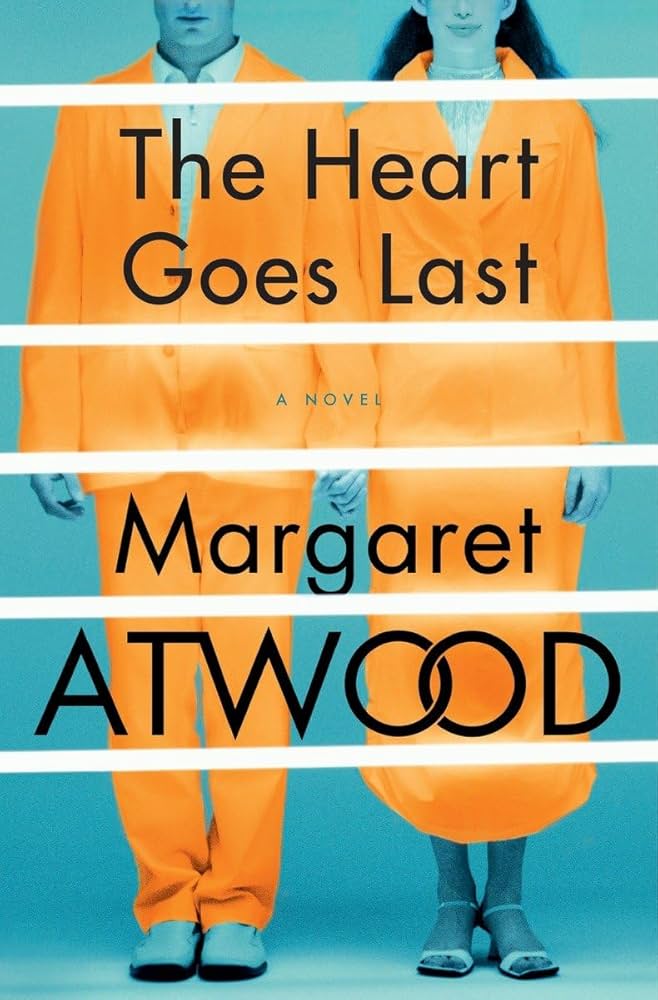
In Margaret Atwood’s darkly funny near-future world marked by rampant poverty, couples sign up for a program that promises stability: spend one month in a comfortable home, the next in prison, alternating indefinitely. It sounds like salvation until you’ve lived it a few months and realize exactly how much of your autonomy you signed away.
Colony One Mars by Gerald M. Kilby

A new crew lands on Mars to investigate a colony that went silent three years ago, its occupants presumed dead – all but one. Before Jann can locate the survivor, her own crew begins dying too, until it’s just her and him. And he’s got a secret of his own. A fast-paced, hard sci-fi thriller that nails the isolation of being trapped in a facility where the answers will kill you faster than the questions.
The Giver by Lois Lowry

Jonas lives in a community engineered for harmony. There’s no pain or conflict, until he is assigned the role of Receiver of Memory and he discovers the terrible cost of peace. A YA classic, but don’t let that fool you – this slow-burn, devastating unraveling is perfect for Wool fans drawn to systems maintained through curated ignorance.
Find your next favorite dystopian read
My Ultimate Dystopian Starter Pack includes two Glassborn Chronicles novellas – a dystopian sci-fi series about scarcity, division and AI governance – as well as my top picks for the best dystopian books of all time.
The World Outside
There’s the walls you live within, and then there’s the moment the seal breaks. This is the gut-punch that Wool delivers when the truth about the outside finally lands. These books like Wool chase that same shock: the vertigo of discovering that everything you understood about your world was a curated lie, and the terrifying question of what you’re supposed to do now that you know.
I Who Have Never Known Men by Jacqueline Harpman

Forty women are imprisoned in an underground cage with no explanation, no contact with the world or even their jailers, and no end in sight. When they finally escape, what they find outside is even more disorienting than captivity. Sparse, haunting, poetic and deeply unsettling, this is Wool’s revelation turned existential.
Planet of the Apes by Pierre Boulle
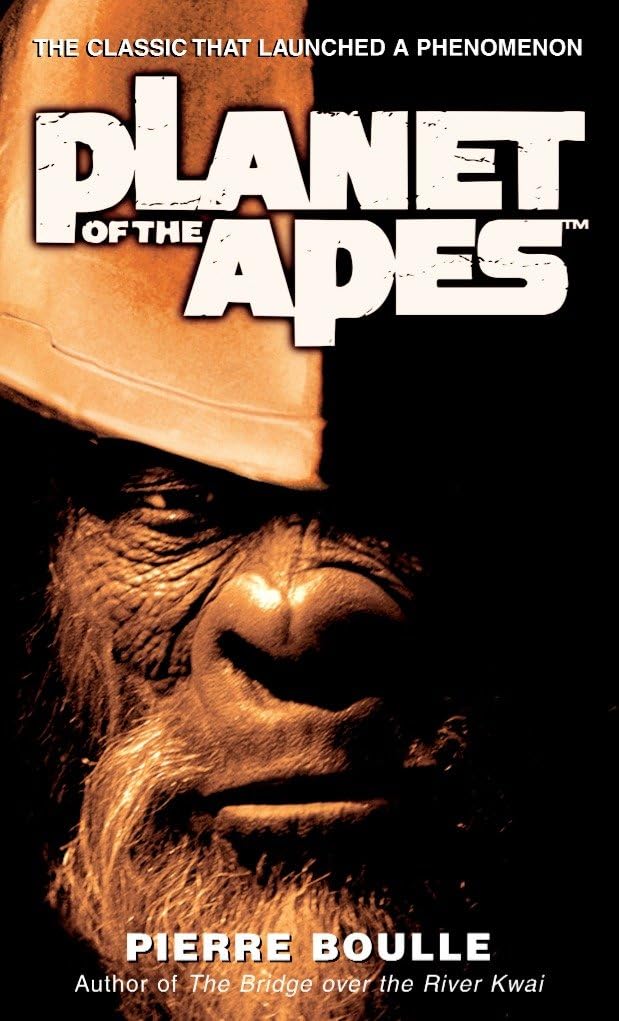
Before the films turned it into a franchise, Pierre Boulle’s original novel was a sharp, disorienting first-contact story about an astronaut who lands on a world where apes have built civilization and humans are animals. The revelation hits differently on the page than on screen – quieter, stranger, and more philosophical. For Wool fans, this is the prototype for discovering your reality is a rigged experiment.
The Extinction Trials by AG Riddle
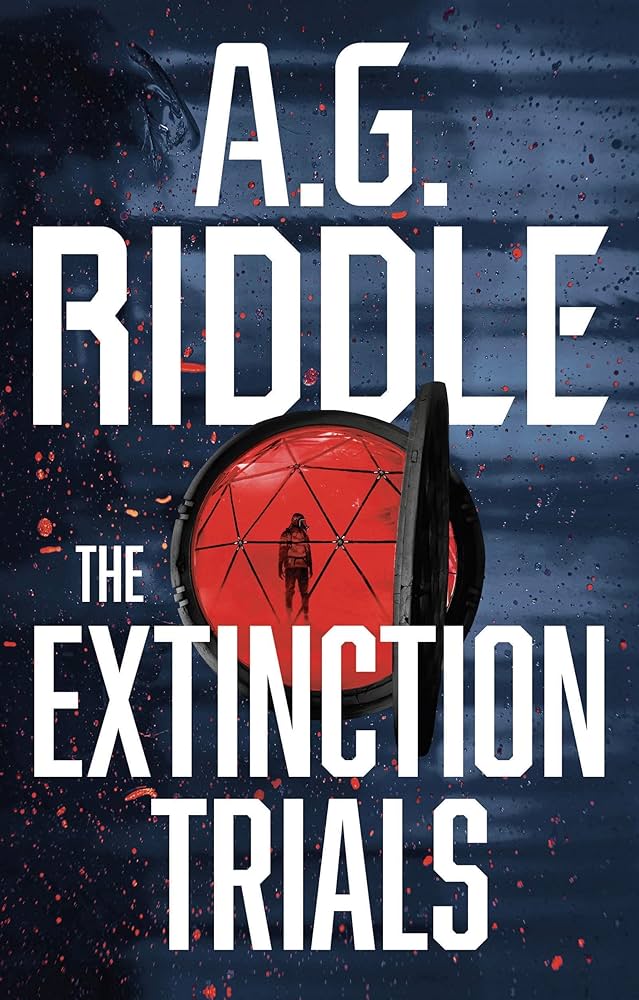
A mysterious global catastrophe sends a small group of survivors into a sealed facility, where every clue contradicts the story they’ve been told about why they’re there. The discovery of what’s really beyond the wall drives the story. Wool’s “everything is a lie” energy, dialed up to apocalyptic.
People Who Maintain the Lie
Closed systems don’t build themselves. There’s always someone who knows the truth and decided the rest of you couldn’t handle it. Some of Wool‘s most haunting moments aren’t about what’s outside the silo but about the people inside it who already knew. The dread here isn’t discovery. It’s the slow corrosion of a person who tells themselves the lie is necessary so many times they start to believe it.
Flow by Clare Littlemore

In a flooded world, Quin just wants to blend in and help her friends. But when an aptitude test lands her in police training and she’s assigned to watch the levee wall, she begins to see that her protected society operates in ways she never guessed. An indie pick that deserves more attention.
Mickey7 by Edward Ashton

Mickey is an expendable: a cloned worker who dies repeatedly so the rest of his colony doesn’t have to. But when a mission goes wrong and he survives, he learns a secret his commander would rather stay buried. With him. As soon as somebody can find a way to kill him. Wool’s moral rot wrapped in dark, existential humor.
Grab a copy or read my review of Mickey7
Early Riser by Jasper Fforde
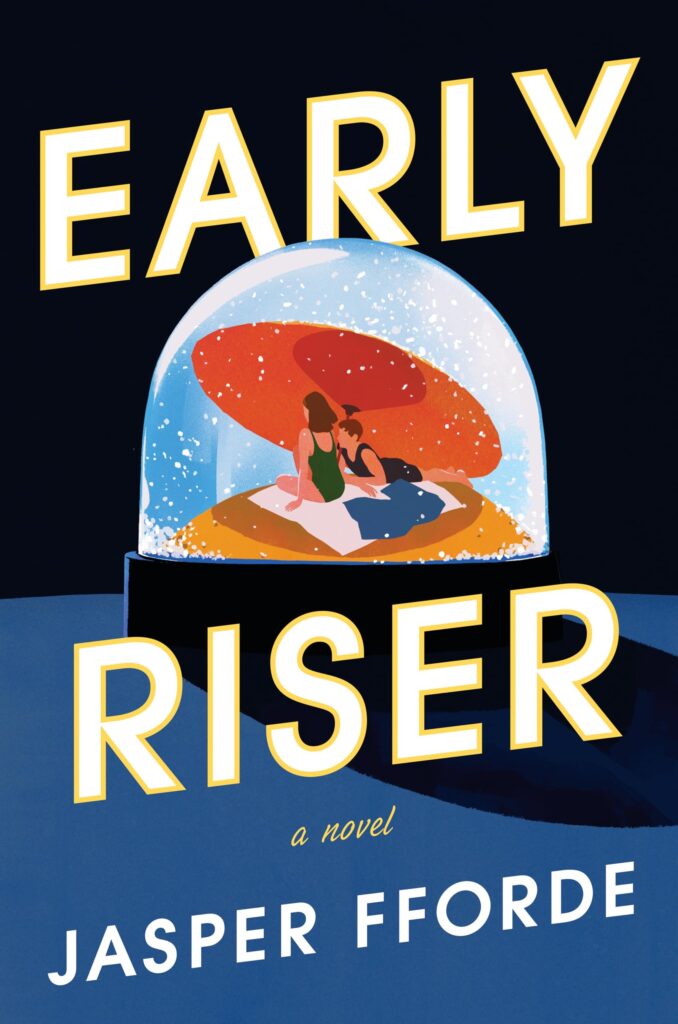
In a world where most of humanity hibernates through lethal winters, a bureaucratic elite controls who survives and who “fails to wake”. Jasper Fforde’s signature weird-but-brilliant worldbuilding is in full force here, but underneath the absurdity is a genuine inquiry into what institutions do when no one’s watching.
There’s a reason this particular corner of dystopian fiction keeps drawing people in. It’s not the underground settings or the sci-fi worldbuilding – it’s the feeling underneath. The creeping suspicion that the walls aren’t keeping danger out. They’re keeping you in.
That’s not a hard feeling to relate to in 2026. You don’t need to live in a silo to recognize a world that’s asking you to trust it while quietly making sure you never get the chance to question anything.
The best books like Wool know that the real horror isn’t whatever disaster awaits you outside – it’s the moment you realize the people in charge already knew the truth and they chose to lie anyway.
If that’s the dread you’re chasing, you’re not going to run out of reading material anytime soon.